The Allure of Online Dating
The rise of online dating has transformed the way individuals seek companionship. Particularly among younger generations, dating apps have become a prevalent method for meeting potential partners. This shift is not merely a casual trend; it reflects significant changes in social dynamics, lifestyle preferences, and technological advancements that facilitate interactions beyond traditional settings.
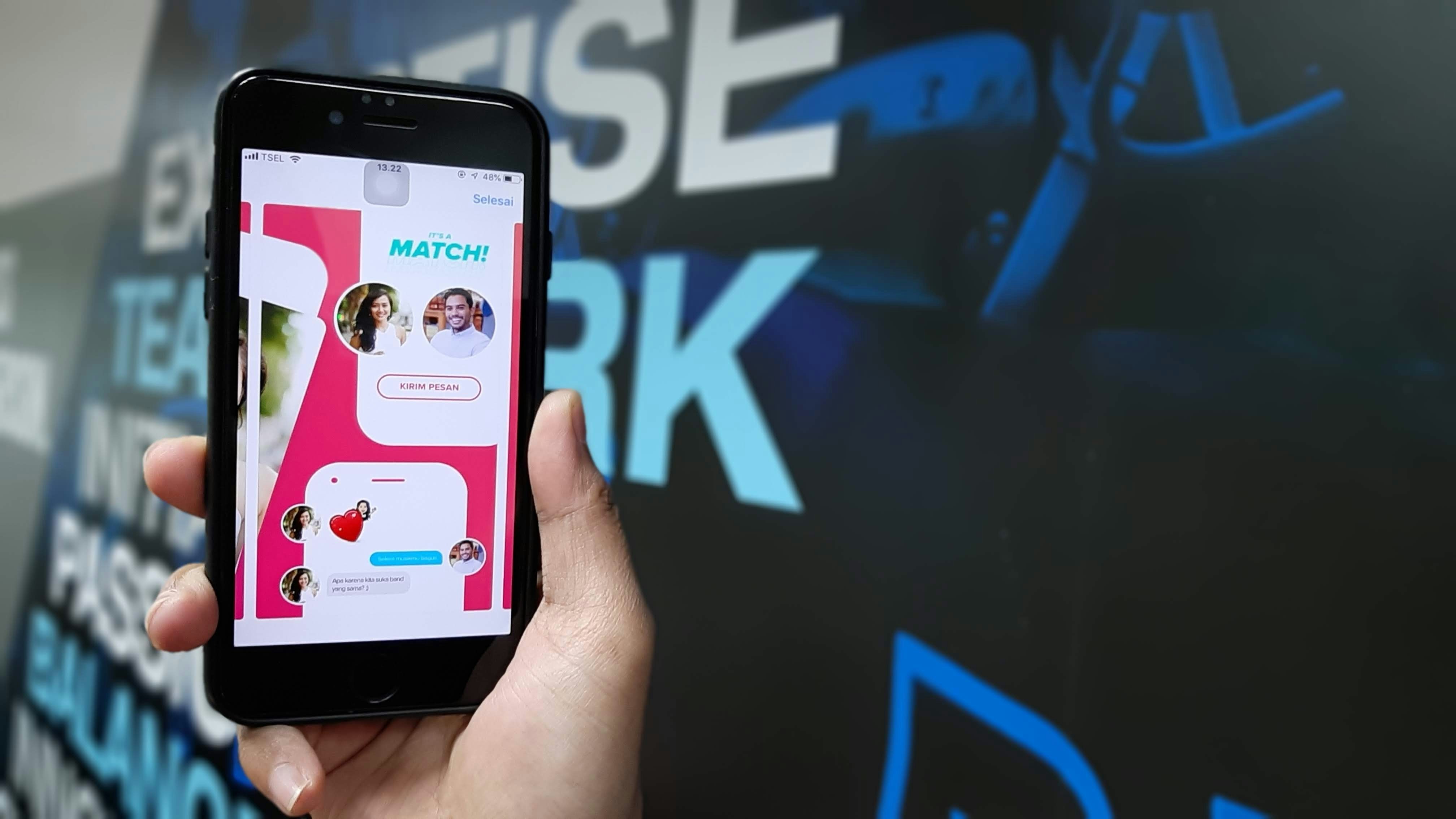
For many, the experience of matching with an appealing profile induces a thrilling anticipation. Users often feel a sense of excitement with every notification and swipe, as each moment holds the potential of a budding romance. The excitement is compounded by the accessibility and variety of options available, allowing individuals to explore a multitude of connections, both casual and serious. As people navigate this digital landscape, the hope for love or meaningful companionship becomes an enticing prospect.
However, the allure of online dating is not without its complexities. While it offers an abundance of choices, it also presents risks and uncertainties. The impersonal nature of interactions can sometimes mask genuine intentions, leading to disillusionment or even distress. As people engage with various profiles and stories, they may inadvertently invite unexpected encounters that starkly contrast with the initial excitement. This duality between joy and potential regret underscores the nuanced reality of the dating app experience.
In essence, online dating encapsulates a modern quest for connection, where each swipe can lead to a spectrum of emotional outcomes. The stage is set for a personal exploration of this phenomenon, highlighting both the promising and perilous aspects of seeking companionship in an increasingly virtual world. The narrative unfolds, revealing the contrasting emotions that can emerge from the quest to find love through a dating app.
The Perfect Match: A Fairytale Beginning
My adventure on the dating app began with a thrill that was reminiscent of a fairytale. After several weeks of exploring profiles and swiping through coutless potential matches, I stumbled upon someone who seemed almost too good to be true. From the moment we began chatting, it became evident that we shared an uncanny number of interests and values. Our conversations flowed effortlessly, delving into topics ranging from our mutual love for travel to our taste in music.
As our dialogue continued, I felt a growing sense of optimism about what could unfold in this budding relationship. Each exchanged message was like another chapter in a blossoming story that I couldn’t wait to continue. The compatibility was palpable; we laughed at the same jokes and even shared the same favorite movies. This connection was more than just superficial; it felt profound, as if we were two puzzle pieces finally clicking together.
Excitedly, we began planning our first date. The prospect of finally meeting in person filled me with anticipation. Images of how well the evening would go danced in my mind. I imagined us seated at a charming café, laughter punctuating our conversations. The excitement was electric, and I couldn’t shake the feeling that I had struck lucky in the world of online dating.
This initial connection on the dating app seemed to set the stage for a sequence of events filled with potential and hope. The promise of a fairytale romance loomed large, and I felt optimistic about the journey ahead. At the time, I believed I had found my perfect match, and it was a thrilling experience that enveloped me in a sense of joy and anticipation.
Signs I Ignored: Red Flags in Disguise
In the pursuit of finding a meaningful connection through a dating app, it is not uncommon to overlook certain behaviors that, in hindsight, reveal significant red flags. These subtle warning signs often masquerade as innocent quirks or endearing traits at the beginning of a relationship. For many individuals, infatuation can cloud judgment, leading to a dismissal of behaviors that may ultimately be harmful.
One of the most critical red flags to recognize is excessive possessiveness. While feeling a connection with a partner is normal, there can be a fine line between affection and control. If a romantic interest frequently questions your whereabouts or insists on knoing your plans at all times, it may indicate deeper issues related to insecurity and jealousy. This behavior often escalates over time, potentially leading to emotional abuse.
Another red flag that should not be ignored is erratic behavior. If a partner exhibits uncontrolled emotional swings or reacts disproportionately to minor issues, it may signal underlying psychological concerns that could negatively impact the relationship. Erratic behavior can create an unpredictable environment, creating stress and anxiety for both partners.
Additionally, inconsistencies in a partner’s stories or background can be alarming. If early conversations about their life appear to change when revisited, it suggests a lack of honesty or a willingness to manipulate the truth. Trust serves as the foundation of any relationship, and inconsistencies can ultimately erode that trust. Being aware of these indicators can empower individuals in the dating landscape to prioritize their well-being and enhance their relational choices.
Recognizing these red flags can allow individuals to navigate the journey of dating with greater awareness, potentially preventing further emotional turmoil. Awareness of personal boundaries and healthy relationship dynamics should always be paramount.
The Shift: From Romantic Bliss to Troubling Behavior
Initially, my experience with the dating app had felt exhilarating; the connection was electric, and every conversation seemed to deepen our bond. However, as the thrilling novelty of the relationship began to wane, subtle changes in my partner’s demeanor started to surface. What previously seemed like charm evolved into controlling tendencies that I initially dismissed as protective affection.
At first, these behaviors were not overtly alarming. Simple inquiries about my whereabouts and the timing of my interactions with friends felt like signs of interest. However, over time, these questions morphed into demands, accompanied by a tone that suggested I had something to hide. I found myself in moments of unease, questioning whether the vibrant connection we had developed was a façade hiding an underlying darkness.
Furthermore, my partner’s reactions to my independence began to escalate. Invitations to social gatherings were met with excuses that painted my friends in a negative light, insinuating they were bad influences. It soon became evident thst my freedom was being stifled; the more I resisted the need to justify my interactions, the more possessive my partner became. I saw the transformation from someone who had once celebrated my individuality to someone who sought to isolate me from those who cared about me.
As red flags multiplied, I felt trapped in a situation that had once promised joy and fulfillment. The charm that had initially drawn me to this individual now felt like a tool for manipulation. The emotional hold they had over me tightened, instilling a sense of fear that kept me from openly addressing the troubling dynamics. In the shadows of what I once perceived as romance, discomfort and dread had taken root, signaling a pivotal shift in our relationship.
Caught in a Web: The Struggle to Break Free
The landscape of modern dating is often deceptively enticing, particularly with the rise of dating apps that promise connections and romance. However, not every online encounter culminates in love; sometimes, it leads to a harrowing experience. The emotional turmoil that accompanies a toxic relationship can be profound, laced with fears that seem insurmountable. Once the initial charm dissipates, the true nature of an abusive partner may come into focus, revealing manipulation and control that grips tightly.
In such relationships, the victim may find themselves ensnared in a web of deceit and emotional abuse. The initial thrill of pursuing a connection through a dating app often gives way to feelings of fear and isolation. The partner’s behavior can gradually morph from affectionate to oppressive, instilling a sense of dread in everyday interactions. This psychological grip not only affects one’s self-esteem but also clouds judgment, making it exceedingly difficult to recognize the need for escape.
Victims often experience a whirlwind of conflicting emotions, wherein love and fear coexist. The manipulative tactics employed by abusive partners may involve gaslighting, which distorts reality and leaves one questioning their perceptions. This emotional chaos creates a formidable barrier to leaving the relationship. Many find themselves paralyzed by the fear of retribution or further emotional turmoil, despite knowing that the relationship is toxic.
Moreover, the process of breaking free is rarely linear. It involves navigating a labyrinth of emotional hurdles— guilt, regret, and dependency that can stall progress. Understanding these complex feelings is crucial, as they can perpetuate the cycle of toxicity. Hence, even though the narrative may begin with an innocuous swipe, it can lead one into an emotional abyss fraught with challenges that significantly hinder the path to freedom.
Reaching Out for Help: Support Systems and Resources
The journey through the challenges posed by a negative experience on a dating app can be daunting. One of the most crucial steps in this process is to seek support from trusted individuals, be it friends, family, or counselors. When I found myself reflecting on the difficulties in my dating journey, I realized the significance of a solid support system.
Initially, I turned to close friends who provided a safe space for me to express my feelings. Their understanding and compassion played a vital role in helping me cope with the emtional aftermath of the situation. Sharing my dating app experience with them allowed me to articulate my concerns and fears, which in turn fostered healing and reassured me that I was not alone.
Additionally, accessing professional support can be immensely beneficial. Therapists and counselors, skilled in navigating the complexities of relationships and emotional well-being, can offer invaluable insights. In seeking their guidance, I learned effective strategies for managing anxiety related to dating and relationships. Many communities also offer resources such as support groups, where individuals can connect with others facing similar experiences, creating a sense of belonging and understanding.
It is essential to remember that discussing personal experiences surrounding dating can be cathartic. By openly sharing our stories, we not only process our emotions better but also empower others to speak about their challenges. This, in turn, builds a community of empathy and support that is crucial for healing. Resources such as hotlines and online forums dedicated to relationship concerns provide additional avenues for support, offering a platform to engage anonymously.
In conclusion, reaching out for help and leveraging available resources can significantly ease the burden after a difficult experience in the dating world. Engaging with a community, professional guidance, and fostering open conversations are all essential components in the healing process, ultimately helping individuals reclaim their sense of self and confidence in new relationships.
The Breakup: Finding the Strength to Leave
Ending a relationship, especially one formed through a dating app, often proves to be a complex emotional journey. In my case, the realization that it was time to leave came after months of conflict and contemplation. The blend of fear and relief waspalpable, as I grappled with the decision to break free from a relationship that had turned toxic. While the initial excitement of meeting someone online can feel promising, the deeper issues often surface only later, revealing unsettling truths.
Leading up to the breakup, I experienced a tumultuous mix of dread and anticipation. Each interaction with my partner was tinged with tension, leaving me feel drained and disheartened. I distinctly remember the pivotal moment when I acknowledged that my circumstances were untenable; the feeling of being trapped was compounded by memories of better times, which made the decision all the more complicated. Doubts crept in, particularly about my worthiness and fear of loneliness, leading to a swirling internal conflict.
However, the realization that I deserved better gradually overshadowed these fears. The empowerment that comes with recognizing one’s value cannot be understated. I found strength in acknowledging my own needs and prioritizing my mental health. Ultimately, the process of leaving required courage, yet with that courage came a sense of relief that was almost immediate. It is remarkable how breaking free from a detrimental situation often leads to a newfound sense of self, allowing one to rediscover joy and purpose outside of a damaging romantic entanglement.
Lessons Learned: Reflecting on the Experience
Engaging in the world of dating apps can often feel exhilarating, but it is also fraught with the potential for unexpected surprises, both good and bad. Reflecting on the experience of encountering someone who turned out to be a “monster” has provided me with profound insights into the dynamics of relationships. One of the foremost lessons learned is the paramount importance of self-love. Prioritizing my own well-being and recognizing my self-worth created a foundation that is essential when trying to navigate the volatile dating environment.
Toxic traits can sometimes be elusive, hidden beneath charming exteriors and engaging conversations. Therefore, it is crucial to remain vigilant and discerning while dating. I learned to look for red flags that may indicate personal vulnerabilities in a partner, as these can often lead to harmful dynamics. Such traits may include possessiveness, excessive jealousy, or an unwillingness to communicate openly. Being aware of these attributes can significantly reduce the chances of attracting individuals with detrimental intentions.
Another vital lesson from this experience is the importance of maintaining a cautious approach while using dating apps. It’s easy to get swept up in the thrill of new interactions, but taking time to evaluate the emotional and psychological implications of a budding relationship is essential. This means trusting my instincts—if something feels off, it is wise to step back and reassess the situation. This period of reflection and self-assessment is not only instrumental in learning from past mistakes but also in fostering a healthier and more secure dating life in the future.
Ultimately, these lessons underscore the journey of growth that can emerge from painful experiences, highlighting the necessity of patience, understanding, and strategic caution in the world of dating.
Moving Forward: Rebuilding and the Path to Healing
After a tumultuous experience with a dating app that introduced significant distress, embarking on a journey of recovery is essential. Rebuilding self-esteem, previously diminished by negative encounters, is the first step toward healing. This process involves engaging in self-reflection, recogizing personal strengths, and cultivating a positive self-image. It can be beneficial to surround oneself with supportive friends and family who can provide encouragement and remind you of your inherent worth.
As individuals seek to enter the dating world again, it is vital to proceed with caution and a fresh perspective. One strategy is to take a break from dating apps to gain clarity about personal needs and relationship goals. This time can be devoted toexploring hobbies, developing skills, or even practicing mindfulness. Engaging in activities that foster joy and fulfillment can aid in rebuilding confidence and reinforce the belief that a healthy, meaningful connection is attainable.
When you feel ready to re-enter the dating landscape, setting boundaries and articulating expectations becomes crucial. Ensure that any dating app usage incorporates a clearer understanding of what qualities are non-negotiable in a partner. This proactive approach allows for a positive dating experience, steering clear of past pitfalls. Additionally, learning to communicate openly about feelings and concerns fosters healthier interactions, which is paramount in nurturing lasting connections.
Despite the painful experiences of the past, it is essential to maintain a hopeful outlook toward future relationships. Every experience, even the challenging ones, equips indivuduals with lessons that can guide future choices. Remember that each encounter provides valuable insights into one’s preferences and relationship dynamics. As you embark on this healing journey, embrace the notion that joy in connecting with others can still exist, as long as you take informed steps forward toward a brighter future.