Introduction to Dating Apps and Their Rise in Popularity
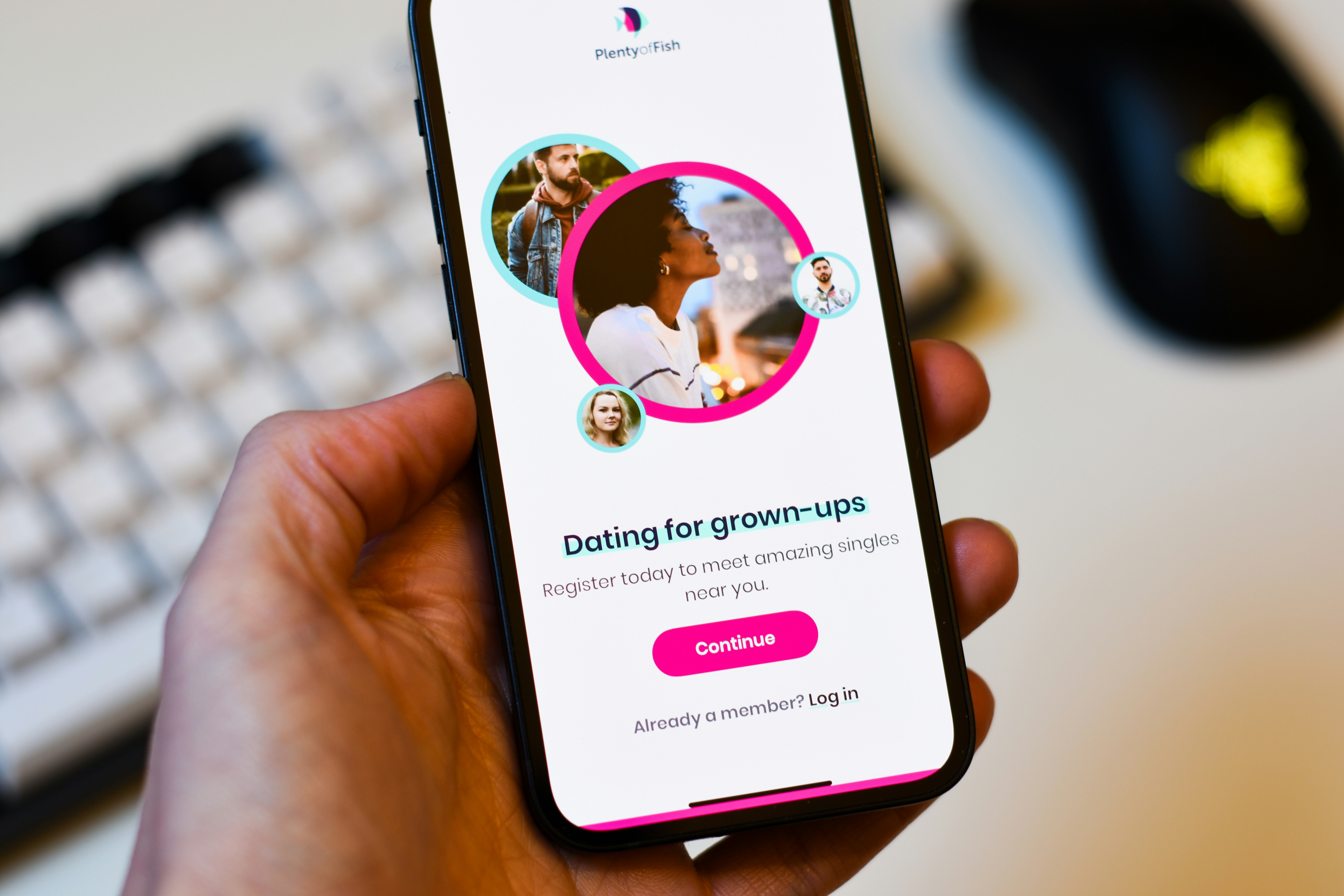
The advent of dating apps has revolutionized the landscape of romantic relationships, providing a platform that caters to the modern individual’s need for convenience and connection. Dating apps emerged in the early 2000s, with the launch of websites like Match.com and eHarmony, which functioned primarily as desktop platforms. However, the real transformation in dating began with the proliferation of smartphones and mobile applications, leading to an explosion in dating app popularity.
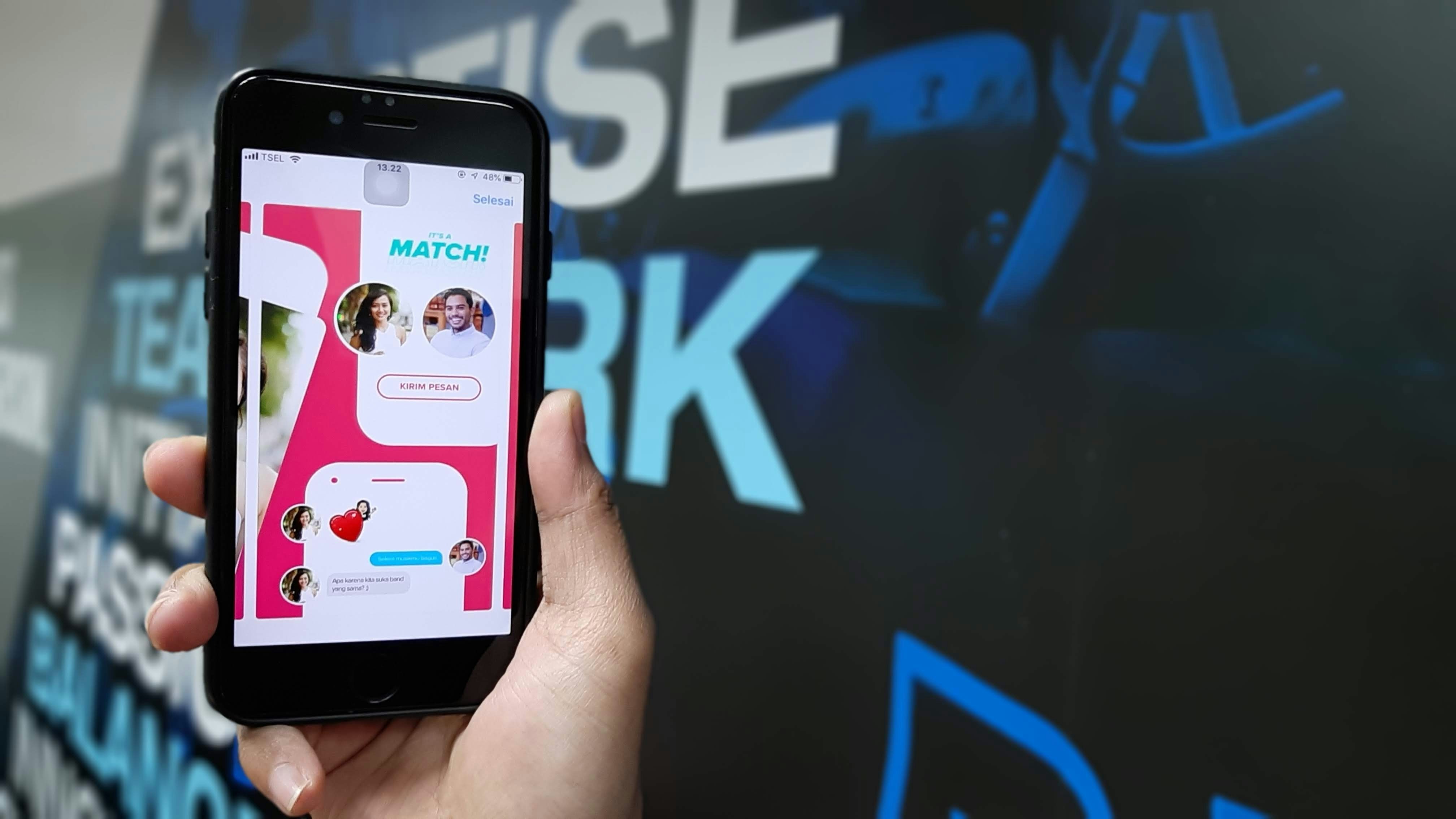
By 2012, Tinder introduced a user-friendly swipe mechanic, which greatly simplified the matching process and appealed to a younger demographic. This shift in methodology not only sparked enthusiasm among users but also marked the beginning of a new era in dating. Over the last decade, various types of dating apps have emerged, catering to a diverse range of preferences and demographics. From tradiional matchmaking services to niche platforms designed for specific communities or interests, the spectrum of choices available has broadened significantly.
The resultant growth has been remarkable, with millions of individuals relying on these platforms to find love or companionship. According to recent statistics, a significant percentage of adults have engaged with dating apps, underscoring their ubiquity in contemporary society. The convenience of connecting with like-minded individuals, coupled with a diverse array of options, has solidified the role of these apps as a prominent feature in modern dating culture.
Today, dating apps not only serve as tools for personal connection but also foster social interactions across geographic and cultural boundaries. As technology continues to advance, it will be intriguing to observe how these platforms evolve and influence future trends in relationships and societal dynamics.
Changing Demographics: Who Uses Dating Apps?
The rise of dating apps has significantly transformed the landscape of romantic relationships, paving the way for diverse user demographics. One of the most notable trends is the predominance of younger individuals on these platforms. According to various studies, millennials and Generation Z make up the largest user base, with a significant percentage of those aged 18 to 29 engaging actively in online dating. This shift reflects not only a change in how younger generations approach relationships but also their comfort with technology as a primary tool for social interaction.
Moreover, the gender dynamics within dating apps also demonstrate interesting patterns. Many platforms report a fairly balanced ratio of male to female users, although some may still experience skewed demographics depending on the region and specific app characteristics. Research has shown that men are generally more likely to initiate contact onthese platforms, which may influence how relationships develop through digital means. This gender behavior offers insight into traditional dating norms and highlights the evolving nature of courtship in the modern age.
Additionally, dating apps cater to a diverse range of sexual orientations, allowing LGBTQ+ individuals a safe space to explore relationships. Platforms such as Grindr, HER, and OkCupid have tailored their services to meet the needs of queer users, effectively supporting an inclusive dating environment. The growing acceptance of LGBTQ+ identities in society mirrors an increase in the usage of these apps, revealing a significant demographic shift towards broader representation and inclusion in the dating scene.
In essence, the demographic landscape of dating app users reflects profound societal changes, highlighting generational preferences, shifting gender roles, and the increasing visibility of LGBTQ+ relationships. These trends are instrumental in understanding how dating practices continue to evolve in response to cultural norms and digital technology advancements.
The Influence of Dating Apps on Relationship Trends
Dating apps have fundamentally transformed the landscape of romantic interactions, shaping relationship trends across diverse demographics. These platforms have provided a digital venue where individuals can connect, enabling relationships that span from casual dating to committed partnerships. The surge in the adoption of these apps has democratized dating by allowing users to explore various relationship types based on their preferences and circumstances.
Traditionally, relationships were often formed through personal networks or social circles, which could limit opportunities for connection to those within similar contexts. However, dating applications now offer users the chance to widen their networks dramatically. This shift has prompted significant changes in societal norms regarding dating, with many individuals embracing the idea of casual dating as a legitimate and accepted practice. Rather than feeling pressured to navigate towards quickly establishing long-term commitments, users now have the option to explore different dynamics before making such decisions.
Furthermore, the convenience of dating apps has allowed for more transparency in relationship intentions. Profiles typically include information about what users are looking for- be it friendship, hook-ups, or serious relationships—thus setting clear expectations from the outset. This openness fosters more honest interactions, potentially reducing the confusion surrounding dating norms. As users continue to shape their experiences based on individual desires and lifestyle choices, we observe a growing acceptance of diverse relationship models that cater to a broader spectrum of human connection.
In essence, dating apps have not only facilitated connections but have also enabled individuals to exercise agency in their relational choices. The ability to curate one’s dating experience has challenged long-standing conventions, leading to more fluid and personalized relationship trends that reflect the complexities of modern life.
The Global Reach of Dating Apps: Cultural Impacts
The advent of dating apps has transformed romantic relationships across the globe by introducing new methodologies for meeting potential partners. Each country has embraced this technology according to its unique cultural norms and values, leadng to diverse adaptations in how dating apps function and are perceived. For instance, in western cultures, dating apps are often viewed as an extension of social networking, providing users with opportunities to forge connections based on shared interests.
Conversely, in countries with traditional values, such as India and certain parts of the Middle East, dating apps may be approached with caution. Here, cultural considerations often play a pivotal role in how users engage with these platforms. For instance, many apps in these regions have incorporated features that facilitate arrangements for serious relationships or marriage, respecting more conservative preferences towards dating. This has led to a hybrid of traditional matchmaking principles and modern dating practices, creating a unique intersection of technology and culture.
Furthermore, the rise of dating apps has also ignited discussions around societal expectations and stigmas related to dating. In societies where arranged marriages are prevalent, individuals using these apps may face scrutiny or judgment from family and peers. As a result, certain dating applications have launched campaigns to destigmatize the use of technology in finding love, highlighting its advantages and changing perceptions about modern relationships.
Through the lens of cultural diversity, it is evident that while dating apps aim to connect users globally, their impact is distinctly shaped by local customs and social dynamics. This underscores the need for developers to tailor their platforms to cater to various demographic groups, ultimately enriching the dating experience on a worldwide scale.
Social Dynamics: Communication and Interactions in the Digital Age
The emergence of dating apps has significantly transformed the way individuals interact and communicate in the realm of romantic relationships. Traditionally, personal connections were cultivated through face-to-face interactions. However, the proliferation of digital platforms has shifted these encounters into the virtual space, leading to various implications for social dynamics.
Text messaging has become a primary mode of communication for individuals seeking romantic connections. This format offers a level of convenience and immediacy, allowing users to engage with potential partners at their own pace and comfort level. The ability to send instant messages enables individuals to maintain multiple conversstions simultaneously, fostering a more diverse dating experience. Nevertheless, while texting offers benefits such as anonymity and reduced pressure, it may also lead to misunderstandings. The absence of non-verbal cues can hinder the development of emotional intimacy, impacting the depth and authenticity of connections.
Moreover, video calls introduced a new dimension to online dating. They allow for face-to-face interactions that enhance the relational aspect of dating without the need for in-person meetings. This form of communication promotes a greater sense of personal connection than texting alone. Users are able to observe body language and facial expressions, which can help to build rapport and trust more effectively. However, video interactions also come with their own set of challenges, as they necessitate careful management of schedules and technology glitches can pose barriers to effective communication.
The impact of online communication on dating dynamics cannot be underestimated. As individuals navigate this digital landscape, the methods and styles of interacting have evolved significantly, catering to the preferences of contemporary society. These platforms have enabled individuals to engage with a broader array of partners, fostering relationships that might not have been possible in traditional settings. In conclusion, the digital age has redefined social interactions, ultimately reshaping how individuals connect with each other in the pursuit of love and companionship.
Success Stories and Challenges Faced by Dating App Users
In recent years, dating apps have significantly transformed the landscape of romantic relationships, leading to countless success stories. Many individuals have found lasting connections, creating meaningful relationships that stemmed from simple swipes on their smartphones. For example, couples who met on platforms like Tinder and Bumble often share tales of how they transitioned from casual chats to committed relationships, and even marriage. These success stories indicate that dating apps can serve as powerful tools for individuals seeking love in today’s fast-paced society. The sucess rates in establishing genuine connections are indeed encouraging, as many users affirm that these platforms provided opportunities to meet people they may never have encountered otherwise.
However, alongside these heartwarming narratives are challenges that users frequently face. Ghosting—where one party abruptly ceases communication without explanation—remains a prevalent issue, leaving many individuals feeling rejected and confused. This behavior can significantly affect self-esteem, leading to feelings of inadequacy and disappointment. Moreover, the problem of misrepresentation poses significant challenges within the dating app culture. Users may present themselves in an unrealistic manner, whether through outdated photographs or embellished characteristics, which can result in uncomfortable encounters when meeting in person.
The impact of interactions on dating apps extends beyond mere connection; they can influence mental well-being and self-perception. As users navigate these platforms, the pressure to keep up with social expectations and the constant comparison to others can lead to anxiety and depression. Thus, while dating apps may have revolutionized the way people find love, they also necessitate a careful approach, encouraging users to cultivate emotional resilience in the face of potential disappointments and challenges.
The Future of Dating: Emerging Trends and Technologies
As the digital landscape continues to evolve, so too does the world of dating applications. The imminent integration of artificial intelligence (AI) into dating apps is poised to change the way individuals connect. AI-driven algorithms facilitate deeper matches by analyzing user preferences and behaviors, allowing for personalized recommendations that enhance the chances of fimding compatible partners. These developments can reduce the overwhelming number of choices often encountered in traditional dating processes, creating a more tailored experience.
Additionally, the integration of virtual reality (VR) and augmented reality (AR) into the dating sphere is set to revolutionize how relationships are initiated and nurtured. Imagine engaging in a virtual date where users can explore environments, share experiences, and build emotional connections in a simulated setting, all from the comfort of their homes. This immersive experience not only bridges geographical gaps but also adds a new layer of interaction that traditional text or video chats lack. Such advanced technology fosters a unique platform where users can feel more connected and comfortable before transitioning to in-person meetings.
Moreover, the incorporation of blockchain technology enhances security and authenticity in online dating. By verifying user identities and guarding personal data, blockchain can alleviate common concerns about privacy and safety, increasing user confidence in engaging with new partners. This technological advancement could particularly appeal to younger generations, who are arguably more inclined to prioritize online security in their dating experiences.
In conclusion, the future of dating is undoubtedly bright, with numerous emerging trends and technologies set to redefine relationship dynamics. As innovations such as AI, VR, and blockchain continue to shape the ways individuals connect, the demographics of dating app users will likely diversify, driven by the growing acceptance and reliance on technology to foster personal relationships.
The Role of Dating Apps in LGBTQ+ Representation and Inclusion
In contemporary society, dating apps have become pivotal in promoting LGBTQ+ representation and inclusion. These platforms serve not only as spaces for romantic connections but also as vital venues for community-building and empowerment. By offering a tailored experience that addresses the unique needs of LGBTQ+ individuals, dating apps have transformed the dynamics of dating within these communities.
Key features designed with user safety in mind underscore the importance of a secure online environment for LGBTQ+ dating. Many apps have implemented functionalities such as verification processes, block and report options, and customizable privacy settings. These tools enable users to feel safer while navigating their dating lives, fostering an inclusive atmosphere where individuals can express their identities without fear of harassment or discrimination.
Furthermore, dating apps have taken strides to celebrate the spectrum of sexual orientations and gender identities, providing diverse options for users to represent themselves authentically. Labels such as bisexual, transgender, and non-binary, alongside a range of sexual orientations, promote visibility and acceptance, allowing individuals to find matches who truly resonate with their identities.
The impact of dating apps extends beyond mere connection; they play a crucial role in normalizing LGBTQ+ relationships within the broader societal context. By increasing visibility and fostering interaction among various identities, these platforms challenge outdated perceptions and contribute to a more inclusive understanding of love and relationships.
Ultimately, dating apps have empowered LGBTQ+ users, granting them the ability to connect, engage, and navigate their romantic lives with autonomy and confidence. This newfound freedom aids in bridging gaps within the community, enriching user experiences, and expanding the landscape of modern dating.
Conclusion: The Long-Term Effects of Dating Apps on Society
The advent of dating apps has significantly transformed the landscape of romantic relationships, influencing demographics in profound ways. As more individuals embrace these platforms, the traditional pathways to love and companonship are evolving. Such changes can be seen in the increased accessibility of potential partners, allowing users to connect across geographical boundaries and diverse backgrounds. This shift has diversified romantic interactions, facilitating connections that might have otherwise been impossible in a pre-digital era.
Moreover, dating apps have also introduced unique challenges and considerations for users. The immediacy and volume of choices can lead to decision fatigue, making it difficult for individuals to commit to long-term relationships. This phenomenon raises important questions about attachment and the stability of relationships formed through digital means. As users become accustomed to the swipe culture and instant gratification, there may be implications for their expectations and experiences in offline dating contexts.
Furthermore, demographic trends reveal shifting attitudes towards relationships among younger individuals, with many prioritizing casual dating or non-traditional arrangements. These trends may contribute to changes in societal norms regarding commitment and partnership, highlighting the lifestyle preferences that are becoming more prominent in this digital age.
In conclusion, the integration of dating apps into daily life has ushered in a new era of love and relationships, influencing demographics and societal behaviors. As we reflect on these findings, it becomes evident that the impact of dating applications is extensive, shaping not only individual choices but also the collective understanding of romance and companionship. It will be interesting to observe how these dynamics continue to evolve in the years ahead, raising questions about the future of relationships in an increasingly digital world.